Xsciens
-
[Science] Forest Lizards Gained About 2°C of Heat Tolerance in a Decade
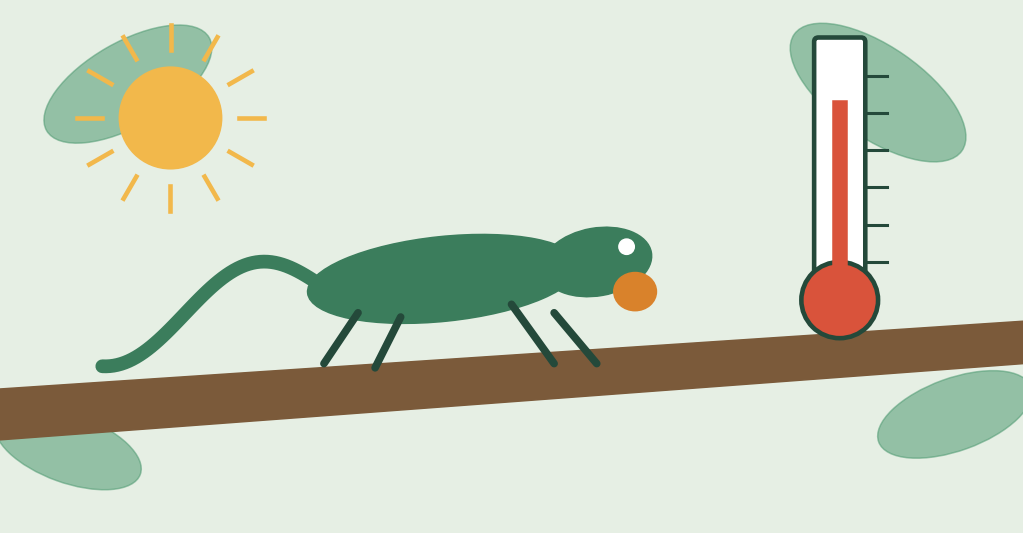
Lizards living deep in Caribbean forests can now tolerate about 2°C more heat than their counterparts a decade ago, while species that can step into cooler spots barely changed. The contrast, reported by a Yale-led team in PNAS, suggests that an animal’s habitat and its ability to regulate body temperature through behavior may influence how quickly its heat tolerance changes in a warming world. 原論文情報 / Original Paper Title: “Thermal ecology drives alternate responses to rising temperatures in Caribbean anoles” Authors: Saúl F. Domínguez-Guerrero et al. Journal: Proceedings of the…
-
AI Vision Misses an Illusion the Brain Shows — A Gap Worth Testing
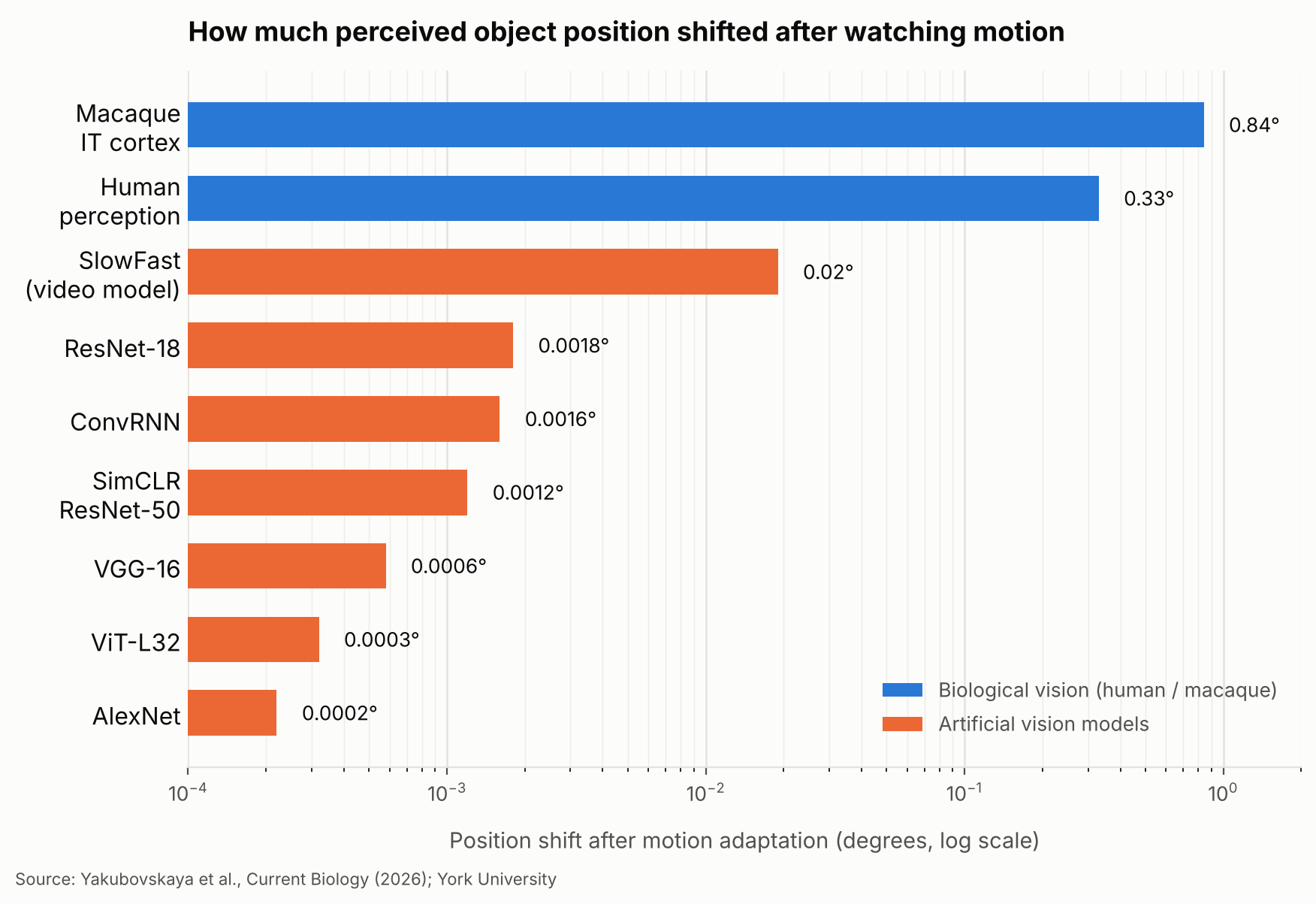
A new study finds that after watching something move, people briefly misjudge exactly where a now-still object is sitting — and a matching shift shows up in signals recorded from monkeys’ brains. The seven AI vision models the researchers tested,…
-
A Cancer Drug Already Tested in Patients Was Mainly Hitting a Different Target Than Scientists Thought — And That Could Open a New Path for Brain Cancer Treatment
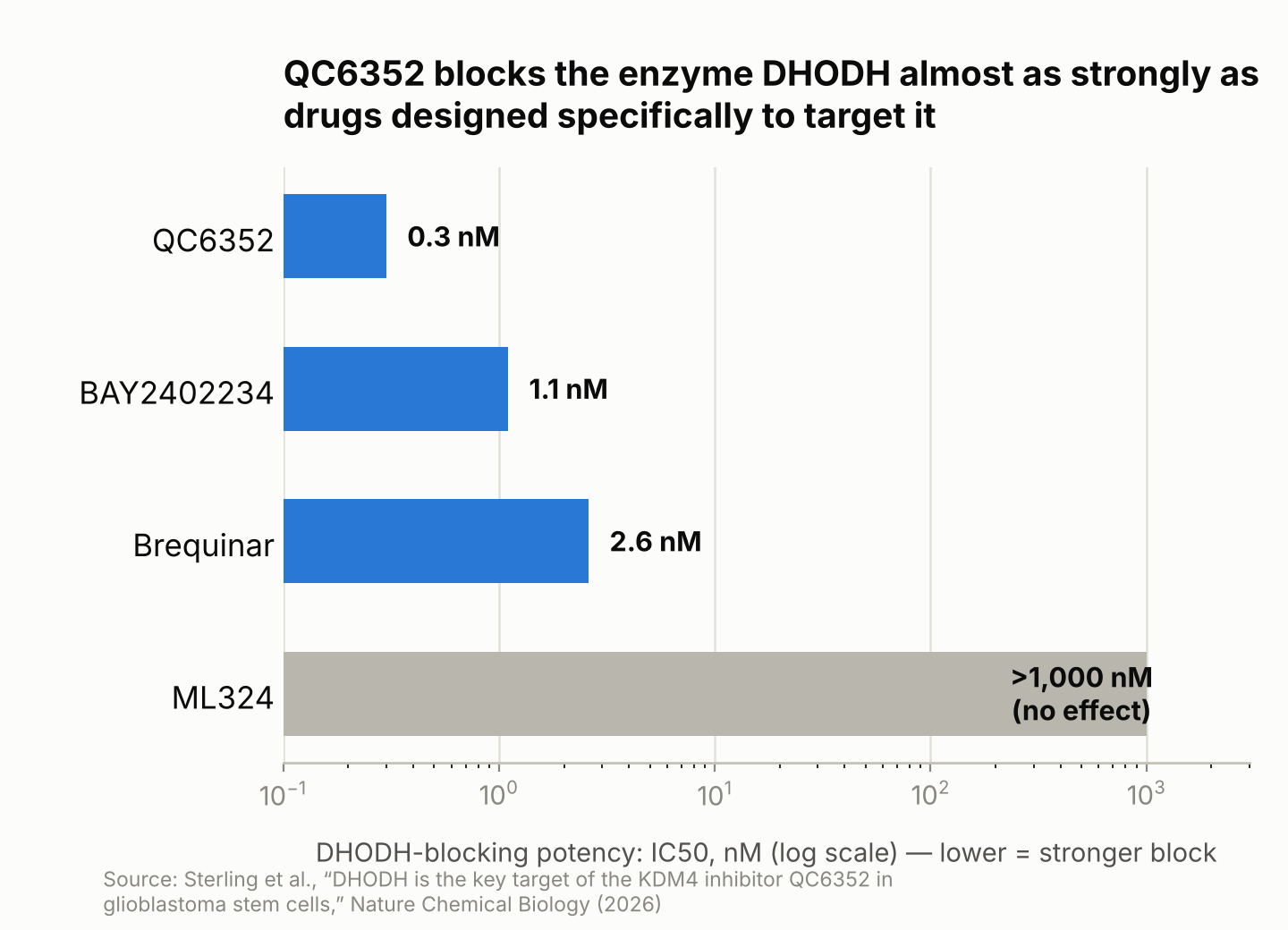
A drug already tested in cancer patients turns out to work mainly by blocking a different target than scientists believed — a mix-up that could change how its past and future trials are read. Researchers at the University of Sydney…
-
How Much Are the World’s Oceans Really Warming? A New Method Finds a Large Gap With a Widely Used Climate Estimate — and Heat Moving Unevenly Between Ocean Basins
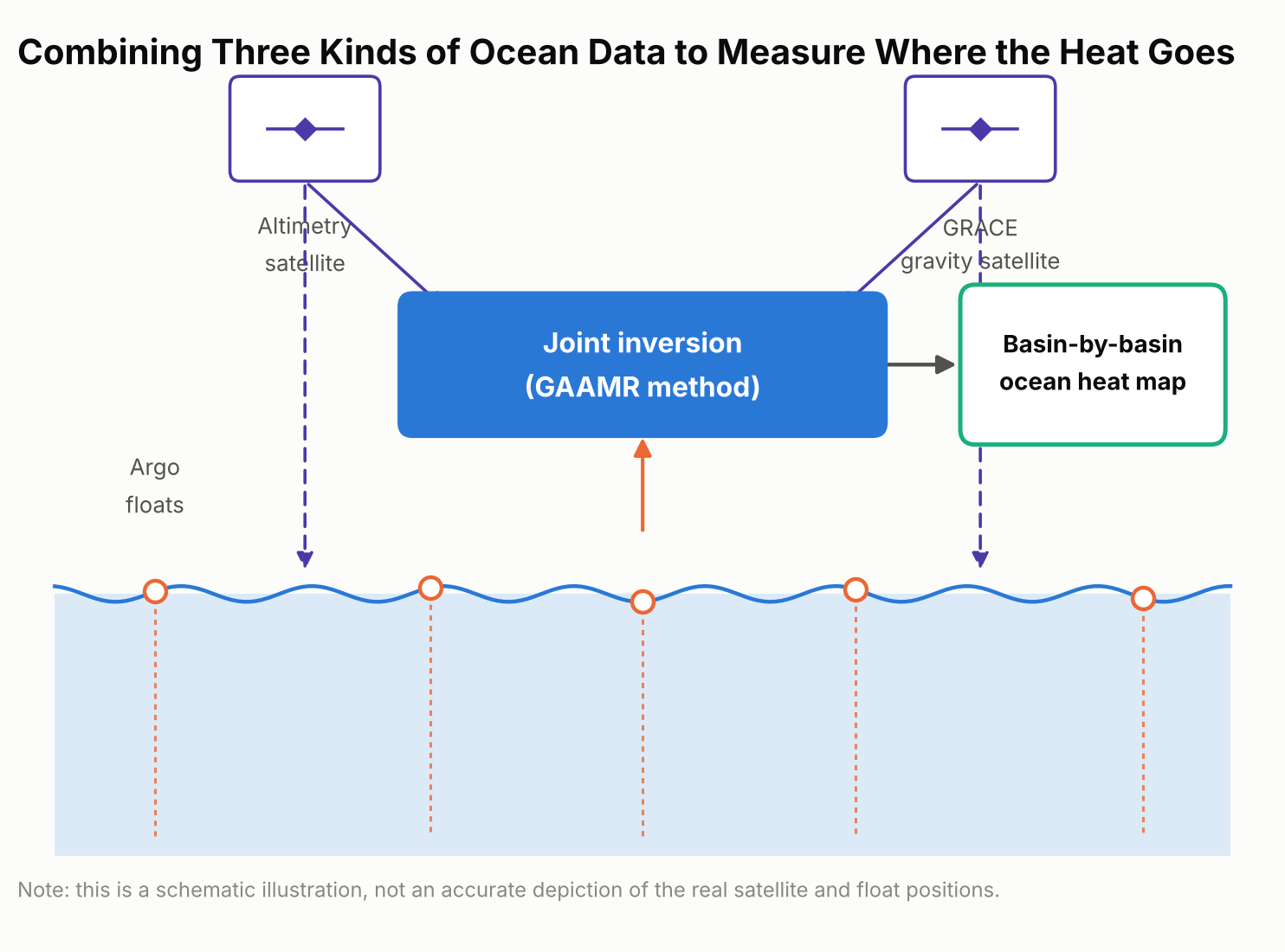
Almost all of the extra heat trapped by human-caused warming ends up in the ocean, so how well we can measure that heat shapes how much we can trust climate tracking and forecasts of rising seas. German researchers built a…
-
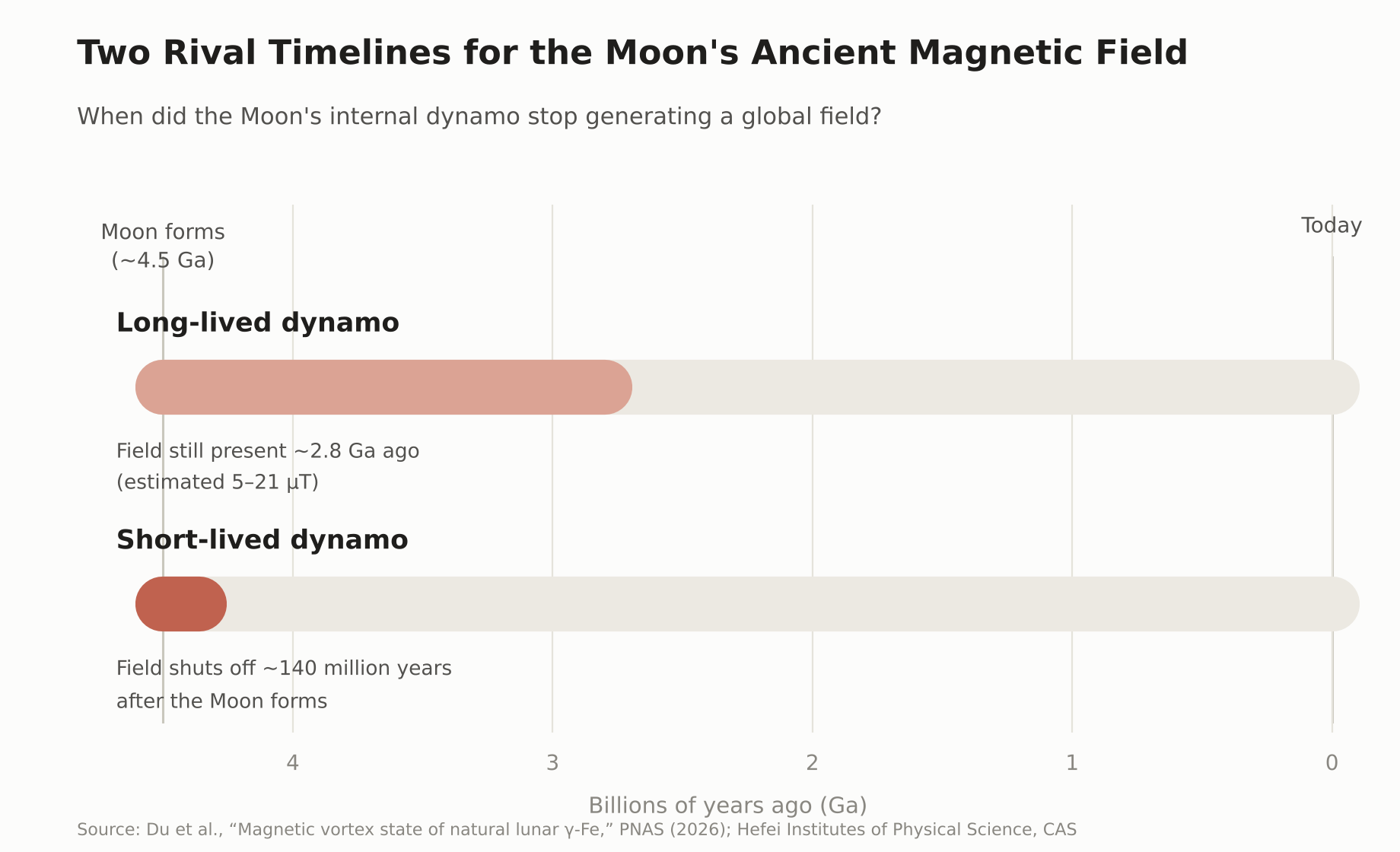
[Science] China’s Chang’e-6 Moon Samples Reveal a Rare Magnetic Mineral — A New Lead in the Mystery of the Moon’s Lost Protective Field
Earth’s magnetic field acts like an invisible shield, deflecting much of the charged-particle wind that streams from the Sun — but the Moon and Mars both lost a global magnetic field like this billions of years ago, and scientists still…
-
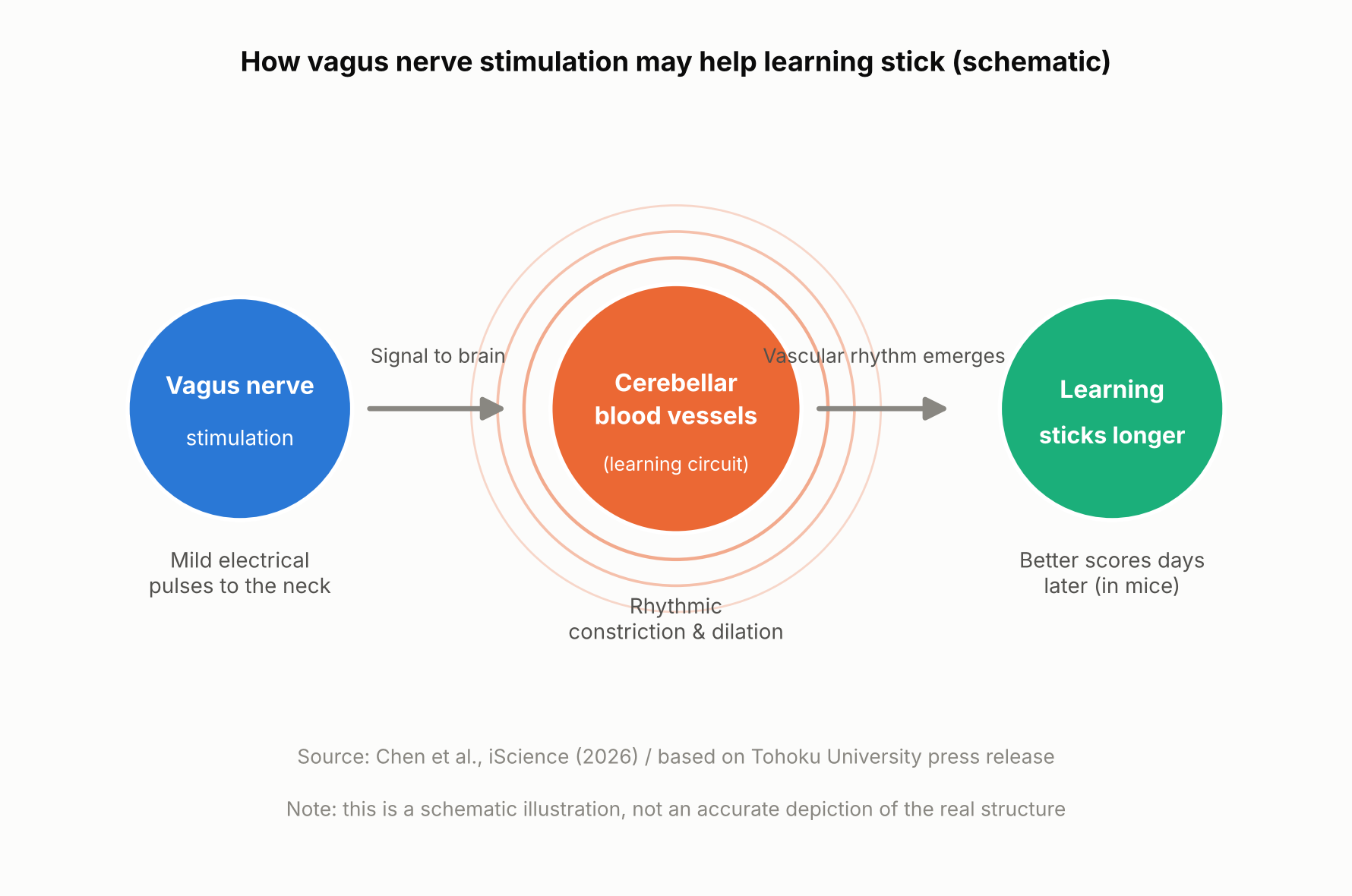
[Science] Stimulating the Vagus Nerve After Practice Helps Mice Learn Better Days Later — Tohoku University Finds a Link to Rhythmic Changes in Brain Blood Volume
Applying electrical stimulation to the “vagus nerve” on the left side of the neck right after practicing something new may make mice better at it days later, a new study suggests. If a similar effect holds in humans, it could…
-
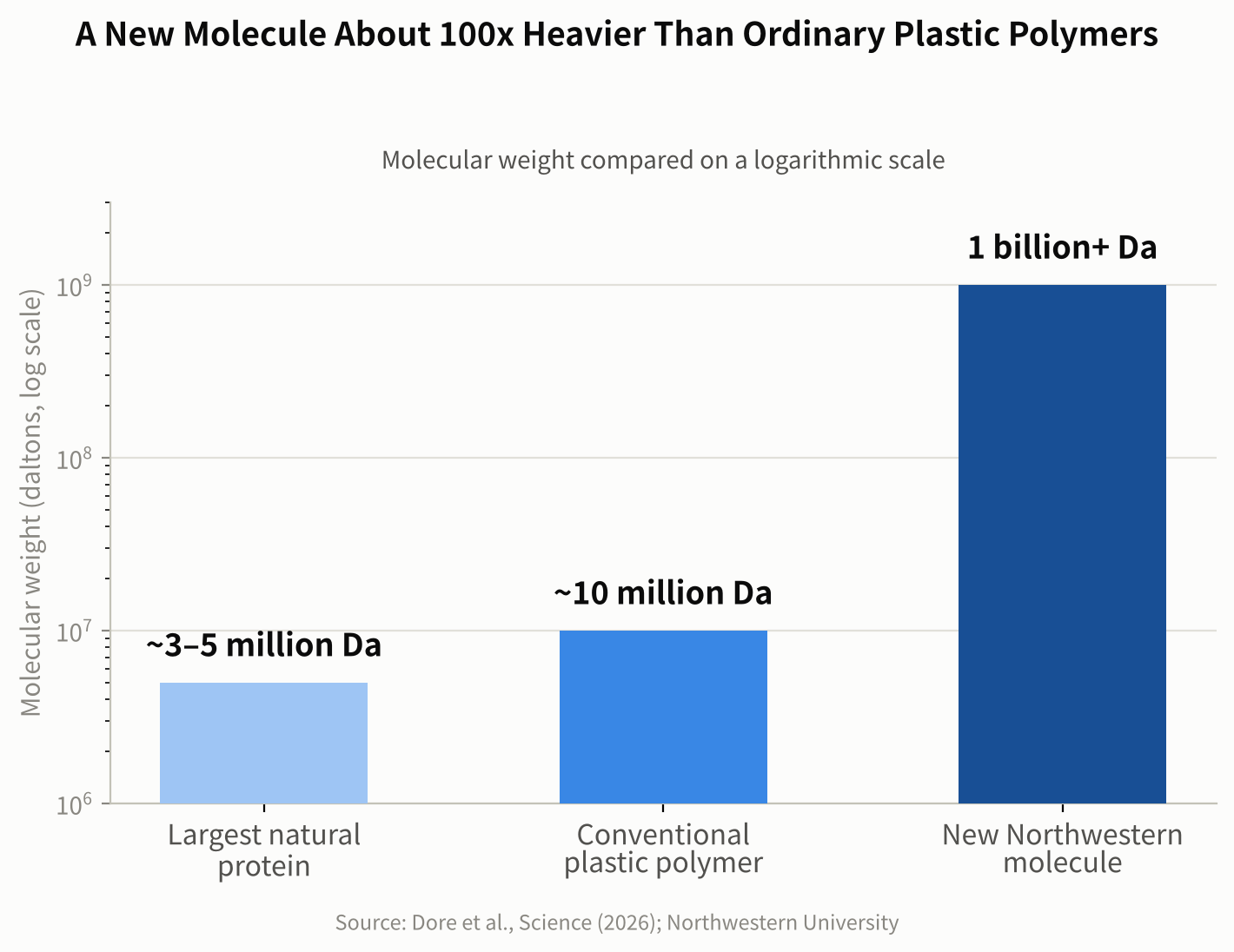
[Science] Scientists Build a Billion-Dalton Molecular Thread Longer Than a Cell — It Quadrupled Nerve-Cell Activity in the Lab
A newly built, self-assembling material made nerve cells growing in a lab dish roughly four times more biologically active than usual, hinting that materials like it could one day help repair damaged nerves. Chemists at Northwestern University found a new…
-
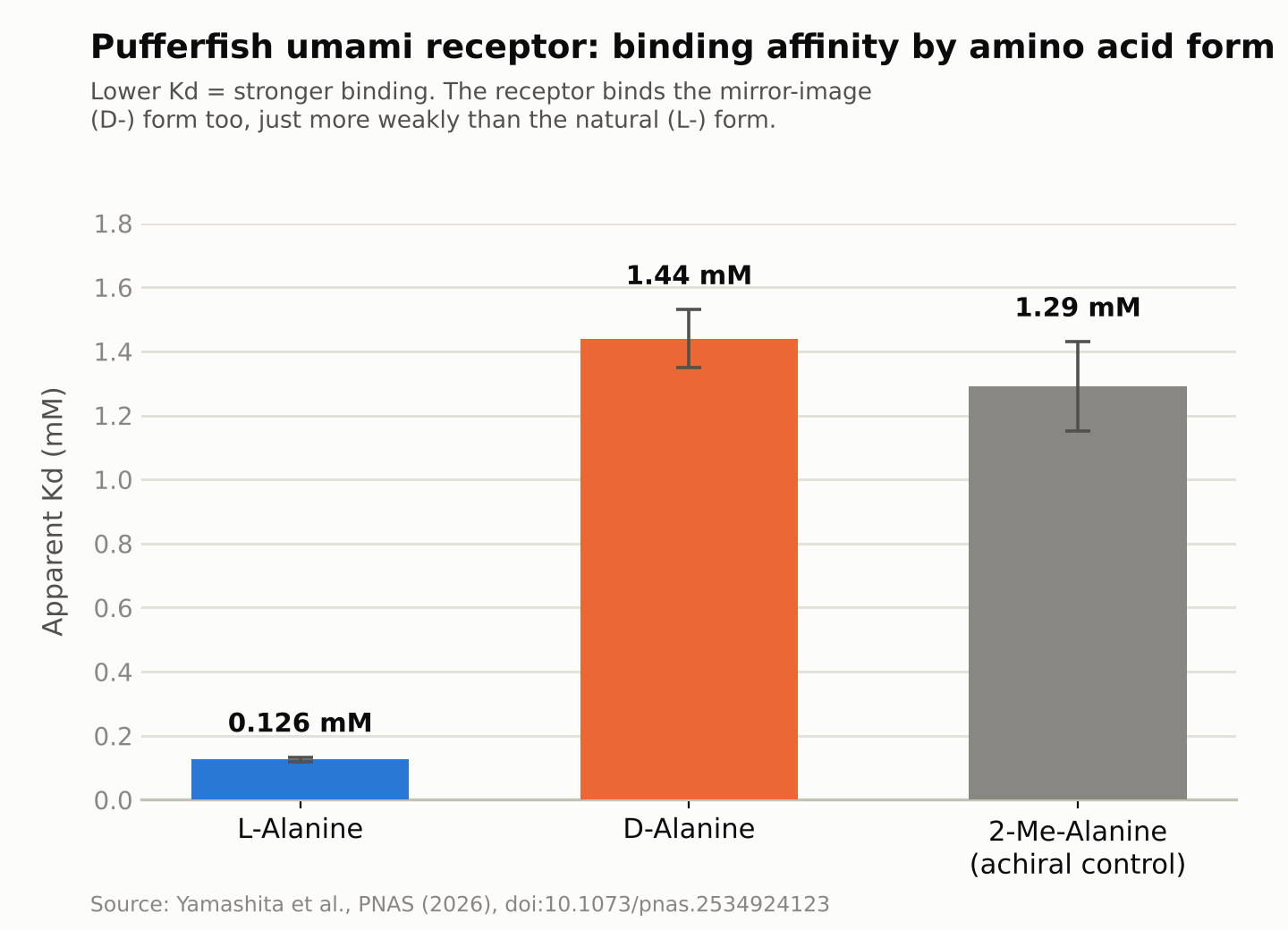
[Science] A Pufferfish’s Umami Sensor Is Broader Than Ours — What Its Structure Reveals About Why Animals Taste the World Differently
Different animals can end up finding very different things “delicious” — and new research shows part of the reason comes down to the exact molecular shape of their taste sensors. A Japanese research team used the SPring-8 synchrotron facility to…
-
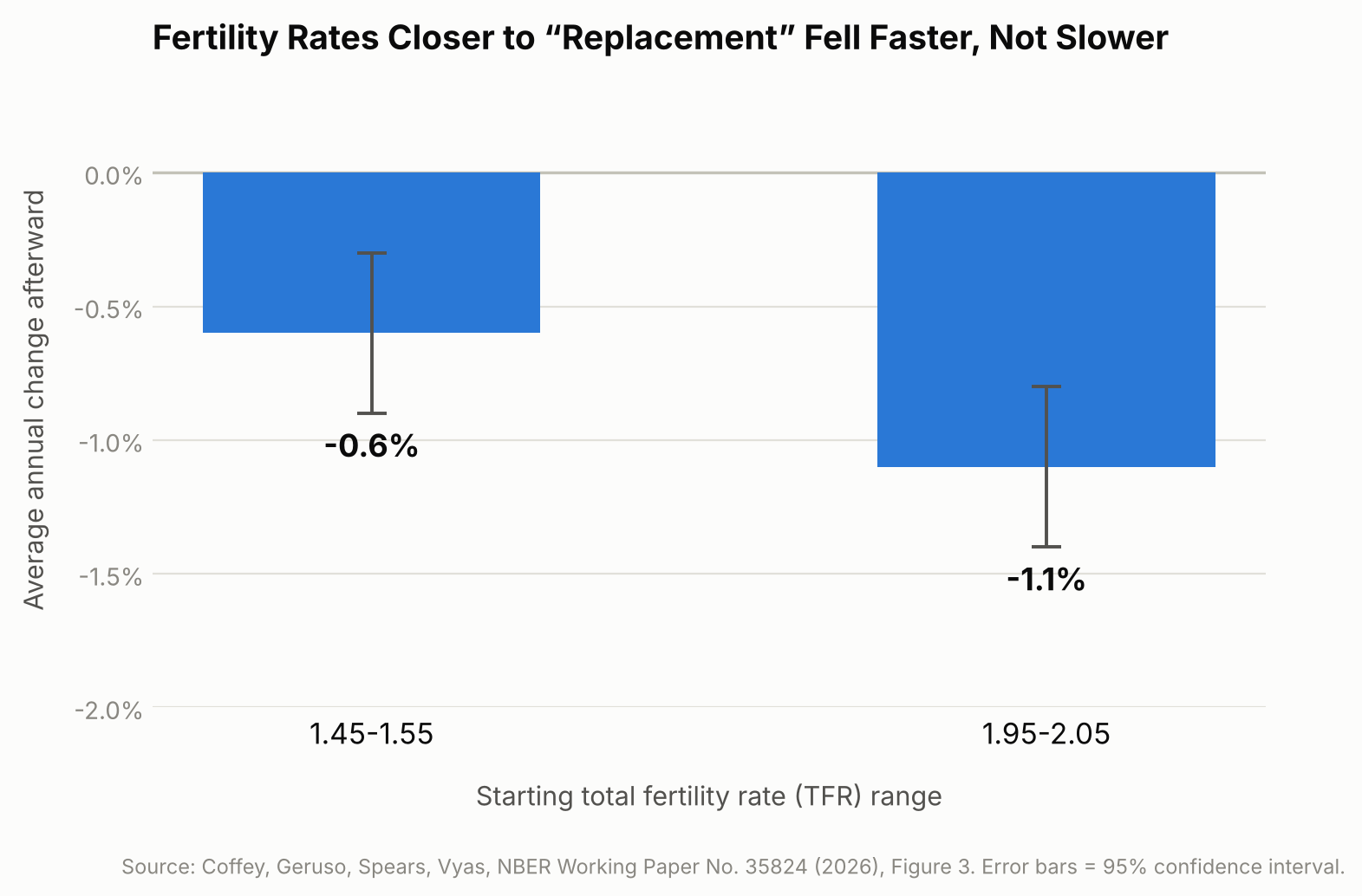
[Economy] Low Fertility Shows No Clear “Floor,” New Research Finds — What That Could Mean for Japan’s Shrinking Workforce
If low fertility stays lower than some population projections assume, estimates of future workers, taxpayers, and pension contributors may need to be revised — a question that matters for anyone planning decades ahead. Economists analyzed more than 70 years of…
-
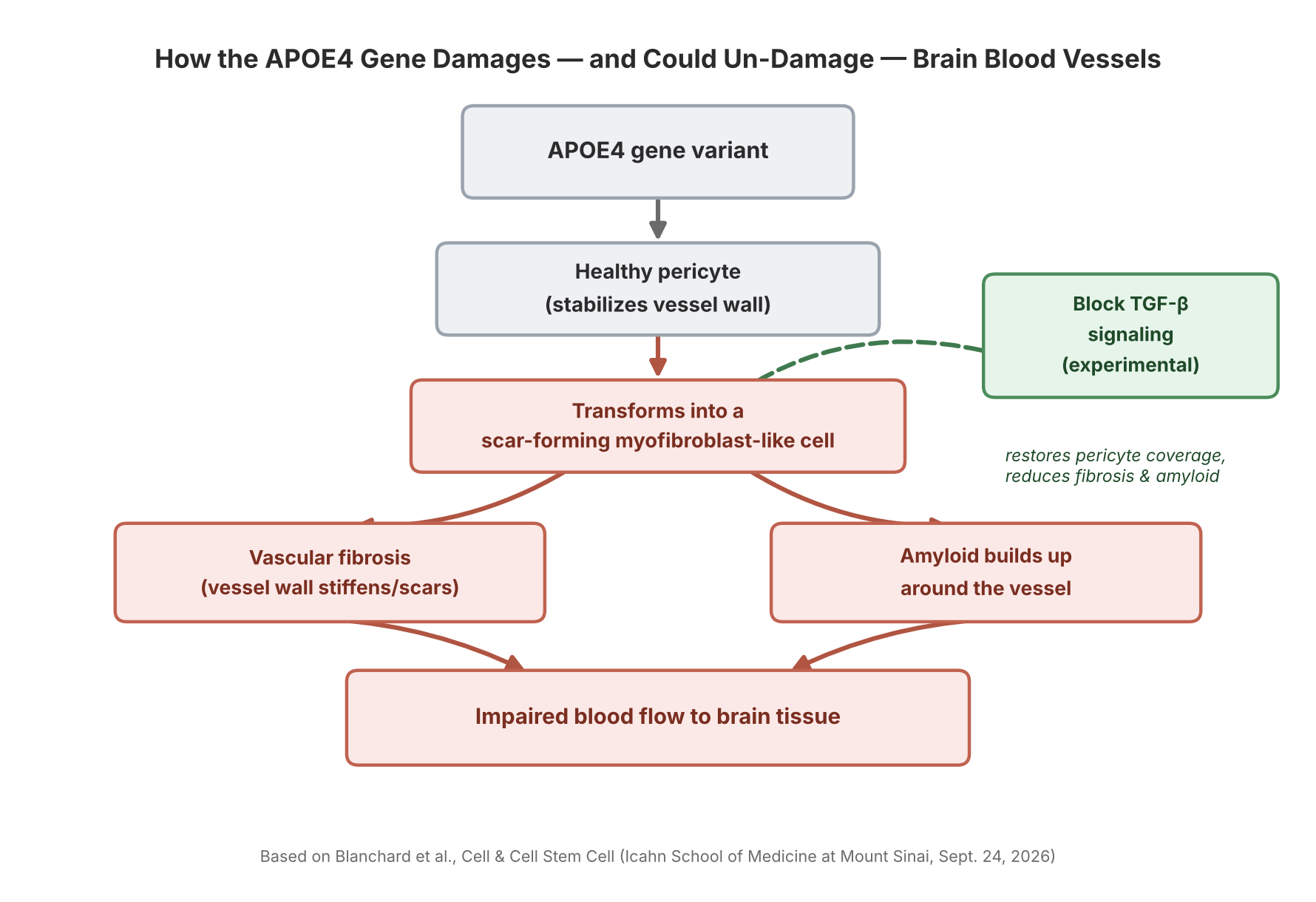
[Science] APOE4 May Drive Scarring of Brain Blood Vessels — and a Human Brain-Tissue Model Showed the Process Can Be Reversed
About one in four people carry a common gene variant that raises their odds of developing Alzheimer’s disease later in life — and scientists have now pinpointed, for the first time, exactly what that variant does to blood vessels in…