Xsciens
-
[Science] Forest Lizards Gained About 2°C of Heat Tolerance in a Decade
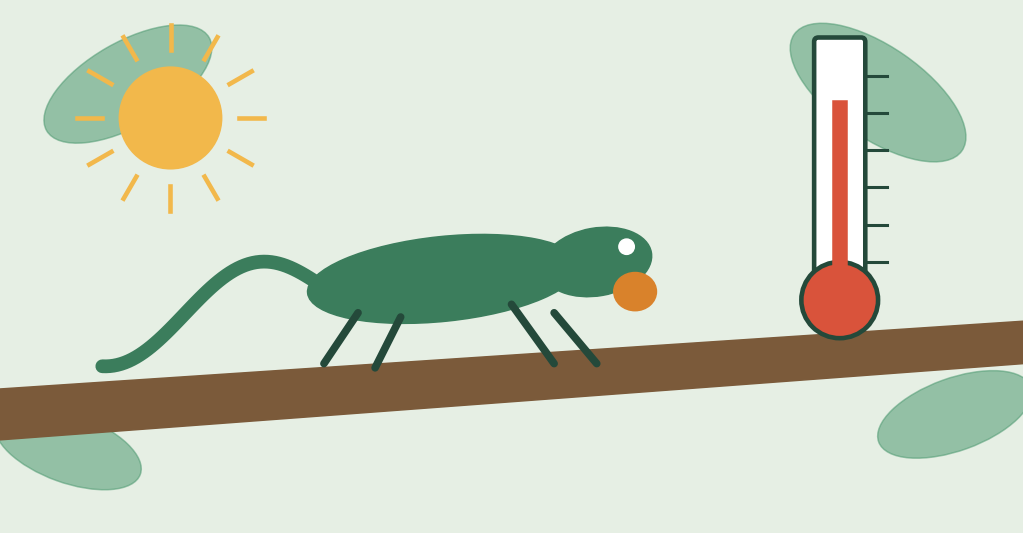
Lizards living deep in Caribbean forests can now tolerate about 2°C more heat than their counterparts a decade ago, while species that can step into cooler spots barely changed. The contrast, reported by a Yale-led team in PNAS, suggests that an animal’s habitat and its ability to regulate body temperature through behavior may influence how quickly its heat tolerance changes in a warming world. 原論文情報 / Original Paper Title: “Thermal ecology drives alternate responses to rising temperatures in Caribbean anoles” Authors: Saúl F. Domínguez-Guerrero et al. Journal: Proceedings of the…
-
[Science] Swiss Glaciers Lost 5.5% of Their Ice in 2026 — A Preview of Tighter Summer Water Supplies Across the Alps
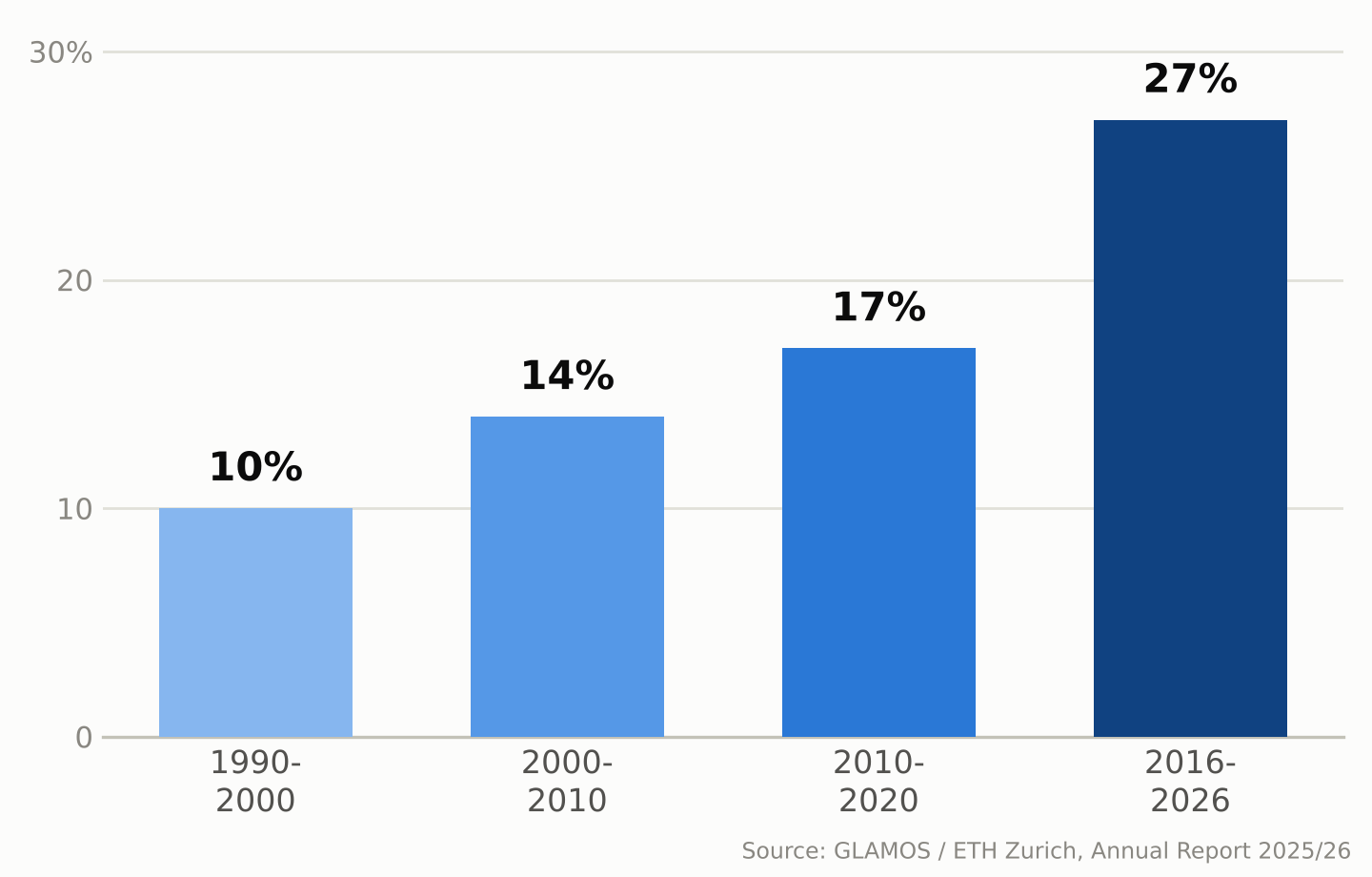
Switzerland’s glaciers lost about 5.5% of their ice volume during the 2025/2026 measurement year, the second-largest annual loss in the GLAMOS monitoring record after 2022. Over the past five years, Switzerland has lost nearly one-fifth of its glacier ice —…
-
[Science] The Instant You Decide, Your Brain Re-Files the Options — MIT Neuroscientists Find a Flexible Code That Could Inform AI Design
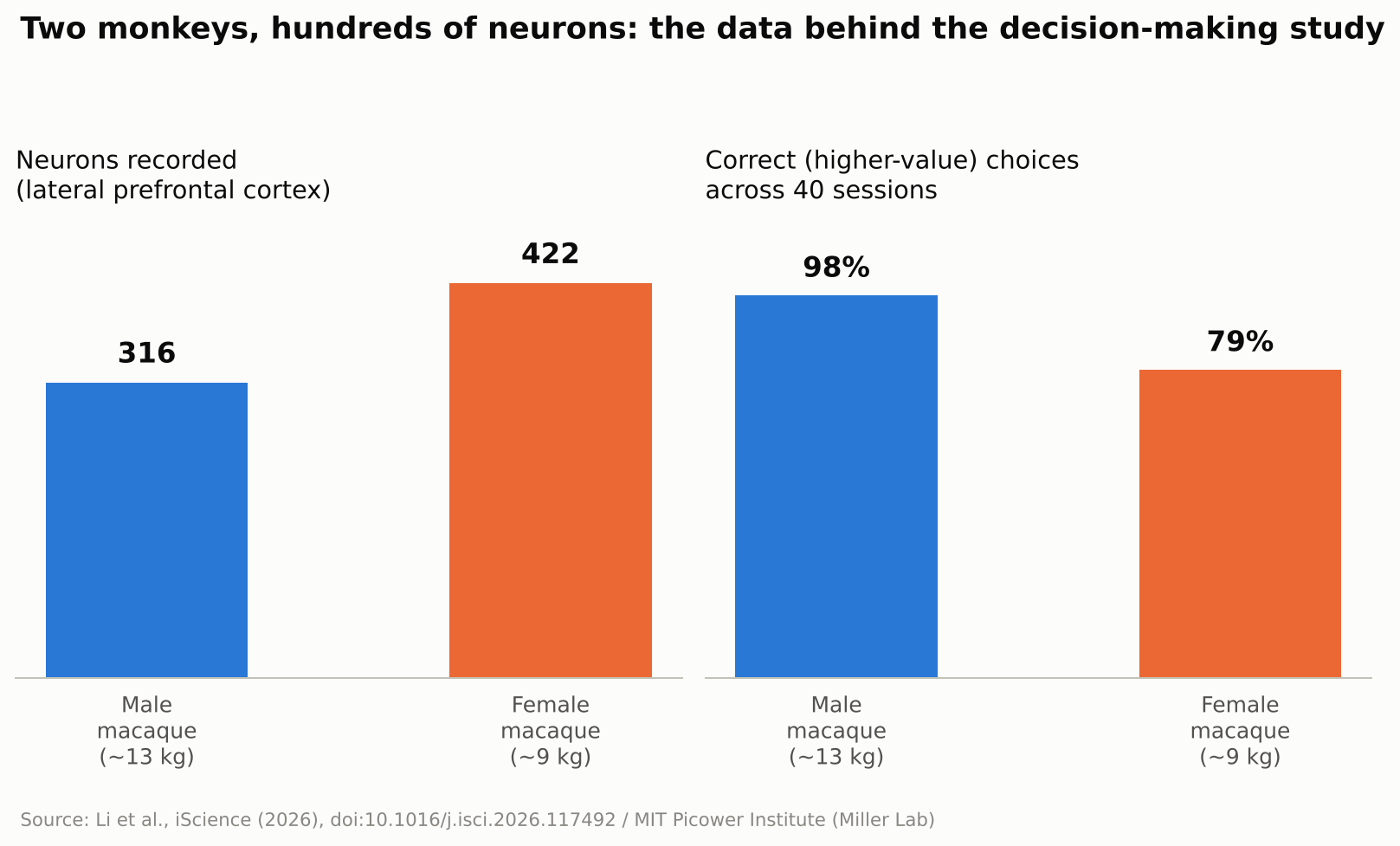
Every time you choose between two options — which job offer to accept, which product to buy — your brain does more than simply retrieve what each one was worth. A new MIT study shows that the instant you make…
-
[Science] The Ice Shooting Off Saturn’s Moon Enceladus Isn’t a Simple Copy of Its Ocean — A Finding That Could Reshape the Hunt for Alien Life
Every second, the icy moon Enceladus sprays countless grains of ice from its hidden ocean into space, feeding one of Saturn’s rings. An international team led by the Freie Universität Berlin and the Earth-Life Science Institute at the Institute of…
-
[Science] A Day Isn’t Exactly 24 Hours — A Tug-of-War at Earth’s Core Is Behind the Multi-Decade Drift
Every day you live through is not quite the same length as the last one, and the difference is measured in milliseconds. Part of this wobble, especially its slow, multi-decade rhythm, is tied to how a hidden solid ball of…
-
[Science] RIKEN Focuses an Attosecond Laser 100 Times Tighter — From Watching Electrons Move to Putting That Motion to Work
A team at Japan’s RIKEN institute has focused an “attosecond laser” — a flash of light lasting a mere quintillionth of a second — onto a spot smaller than a micrometer, at more than 100 times the intensity previous tabletop…
-
[Science] Scientists Get Cancer Cells to Make Their Own Chemo Drug — Lab Tests Suggest a Way to Spare Healthy Tissue
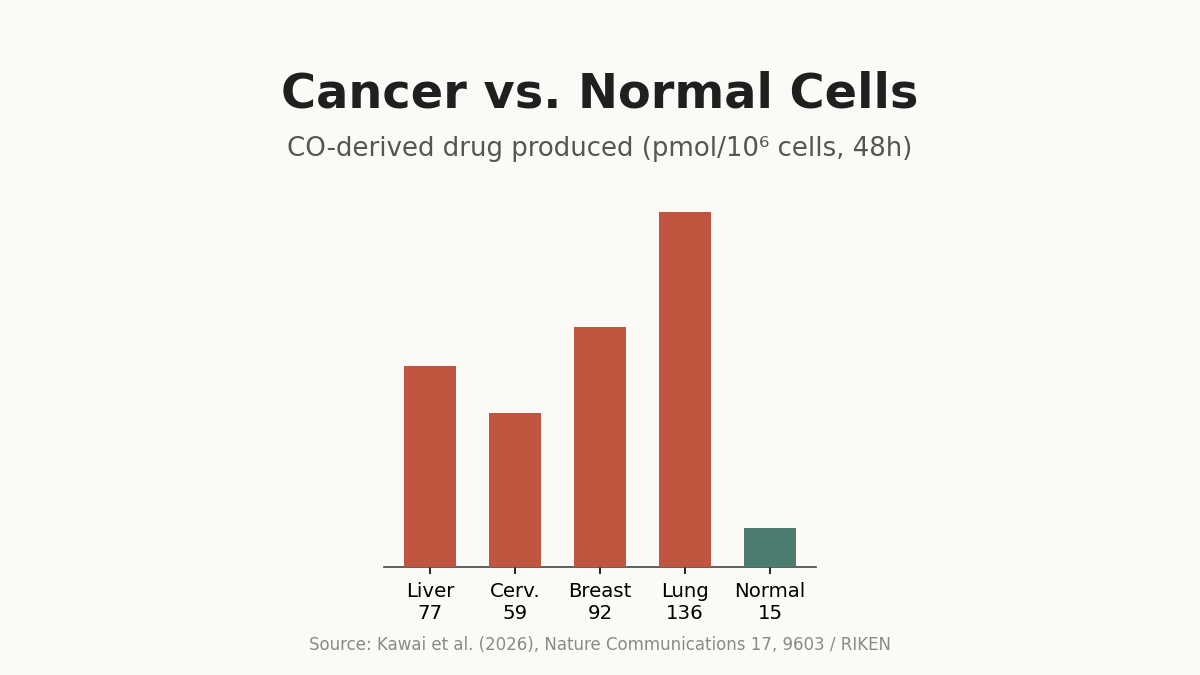
Much of chemotherapy’s toll on the body comes from the fact that the drug attacks healthy, fast-dividing cells right along with cancerous ones. A team from RIKEN and Institute of Science Tokyo has developed a way around that: instead of…
-
[Economy] A ¥20,000 Invention Bonus, a ¥60.4 Billion Court Valuation: How One Patent Built a Trillion-Yen Business
What if a single patent could translate into a legal claim worth tens of billions of yen for the individual engineer who invented it? Shuji Nakamura, inventor of the blue LED, originally received an in-house bonus of just ¥20,000 for…
-
[Economy] Japan Doesn’t Make the Chips — It Makes the Machines That Make Them, and Leads the World in Patents Too
The most advanced chips in your phone, your car, and the AI models running in the cloud are usually associated with Taiwan or South Korea — but only a handful of countries can supply the machines that make those chips…
-
Turning Air Into Ammonia, More Gently — Kyoto University Team Explains Why a Molybdenum Catalyst Works
Ammonia is the backbone of the world’s food supply as the raw material for fertilizer, but making it burns a staggering amount of energy worldwide. A research team including Kyoto University’s Fukui Institute for Fundamental Chemistry has now worked out…