Xsciens
-
[Science] Forest Lizards Gained About 2°C of Heat Tolerance in a Decade
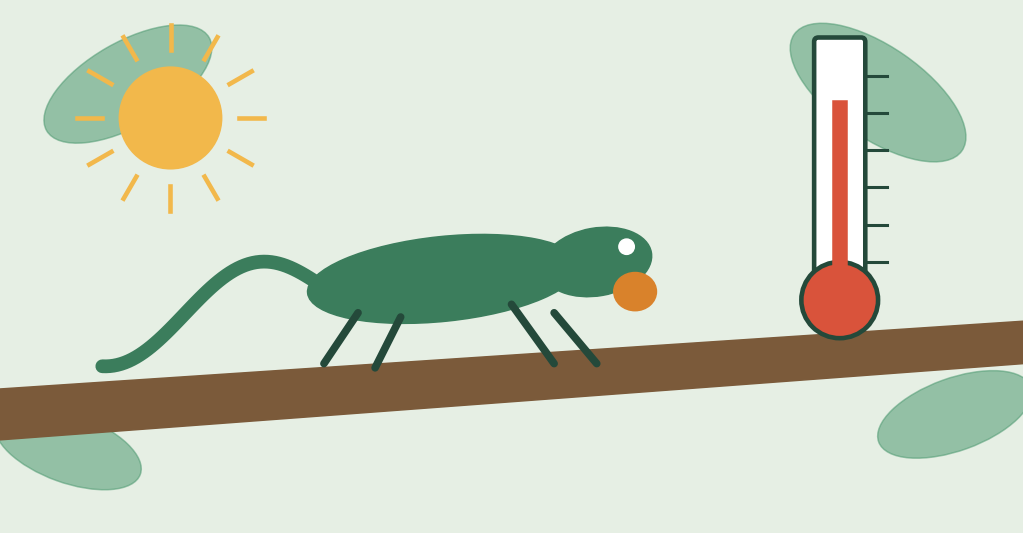
Lizards living deep in Caribbean forests can now tolerate about 2°C more heat than their counterparts a decade ago, while species that can step into cooler spots barely changed. The contrast, reported by a Yale-led team in PNAS, suggests that an animal’s habitat and its ability to regulate body temperature through behavior may influence how quickly its heat tolerance changes in a warming world. 原論文情報 / Original Paper Title: “Thermal ecology drives alternate responses to rising temperatures in Caribbean anoles” Authors: Saúl F. Domínguez-Guerrero et al. Journal: Proceedings of the…
-
[Science] Mitochondrial DNA May Decide Whether Dying Cancer Cells Alert the Immune System
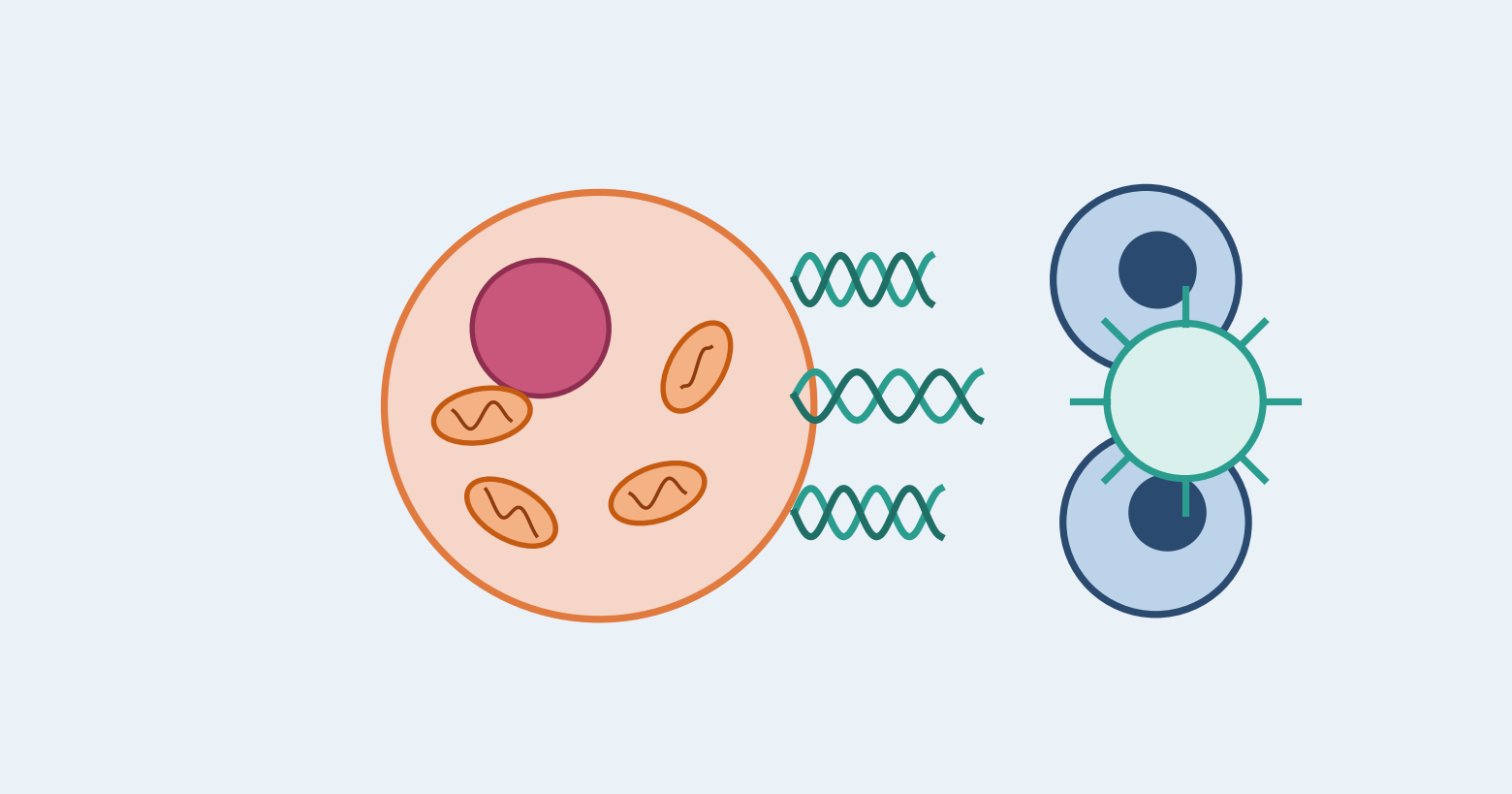
Whether a dying cancer cell wakes up the immune system may depend on how much mitochondrial DNA it carries. A Japanese research team reports that cancer cells carrying KRAS mutations tend to accumulate mitochondrial DNA, and that a combination of…
-

[Science] Possible New Dwarf Planet Beyond Pluto Found in Rubin Observatory Data
Astronomers using data from the Vera C. Rubin Observatory have identified an object called 2026 ED138, currently about 46 times farther from the Sun than Earth is and perhaps 600 to 1,500 kilometers across — large enough that it may…
-

[Science] Why Is Japan So Strong in Materials? The Industry Structure and Three Hypotheses, Read Through Cases
The chips in a smartphone, the airframe of a jet and the battery in an electric car all get their performance from materials. In materials, Japanese companies hold a majority of world share in a number of fields. This article…
-
[Science] What Is Backpropagation? A Simple Guide to How AI Learns
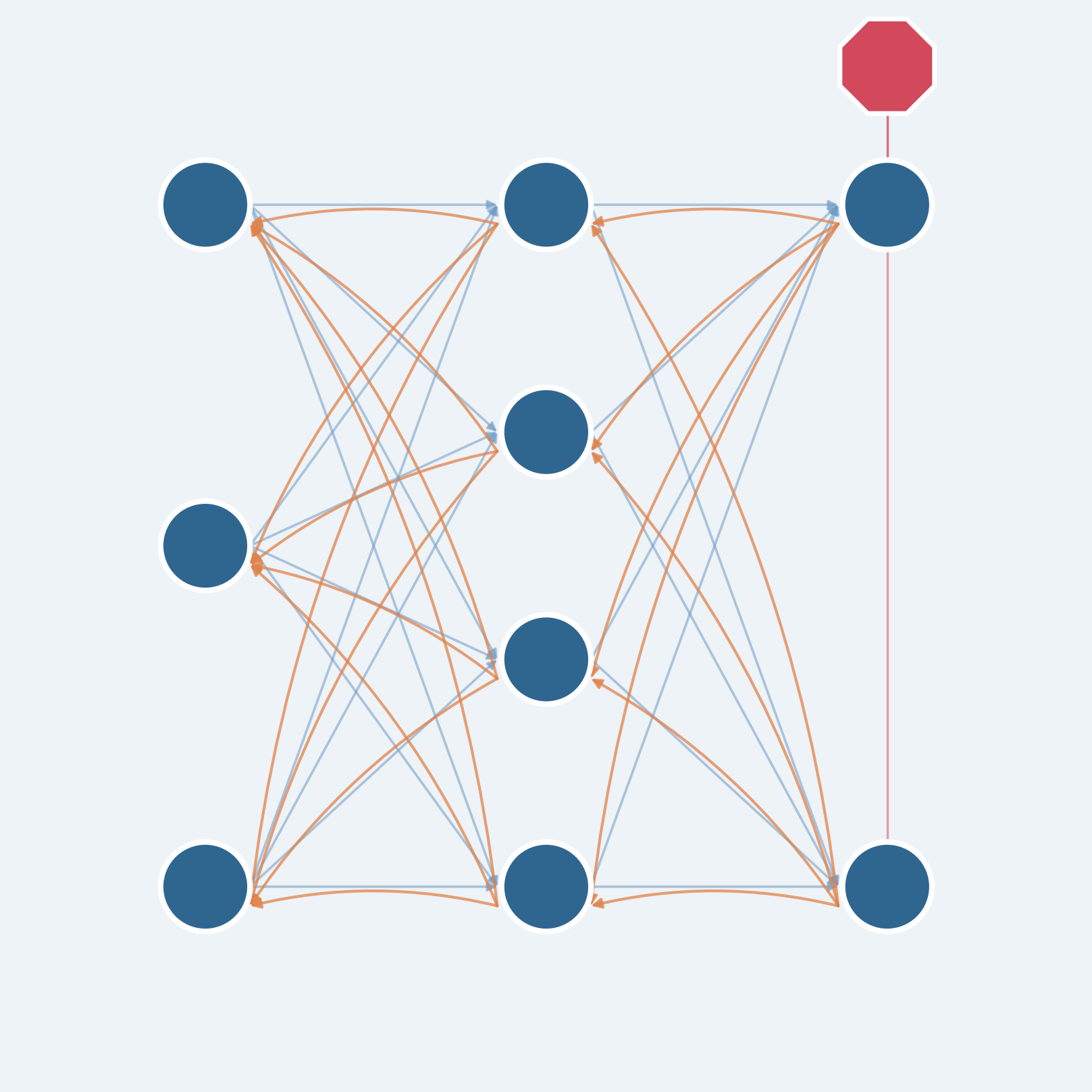
Backpropagation is the algorithm that lets artificial neural networks learn from their own mistakes, and it quietly powers much of today’s AI — from chatbots that answer your questions to the apps that recognize a face in a photo. Understanding…
-

[Science] Hidden Crystal “Patchwork” Could Help Explain Why Superconductors Differ
A copper-oxide superconductor that scientists have studied for about 40 years turns out not to be uniform inside. A University of Warwick team used 3D X-ray imaging to show that one well-known crystal is a patchwork of two slightly different…
-

[Science] The Brain’s Alertness System Has More Specific Wiring Than Scientists Thought
Norepinephrine, a brain chemical involved in alertness, attention and stress responses, comes largely from a tiny cluster of cells in the brainstem called the locus coeruleus (LC). For decades this system was often pictured as a foghorn, broadcasting much the…
-

[Science] High-Dose Fish-Oil DHA Shifted a Brain Marker but Not Memory, Trial Finds
A two-year randomized trial found that high-dose DHA, the main omega-3 in fish oil, raised a marker of DHA in the fluid surrounding the brain, yet it did not improve memory-and-thinking scores or slow shrinkage of the memory-related hippocampus compared…
-

Enzyme-Laced Plastic Stays Tough in Use, Degrades Fast in the Deep Sea
Researchers at Japan’s New Energy and Industrial Technology Development Organization (NEDO), the University of Tokyo, the Japan Agency for Marine-Earth Science and Technology (JAMSTEC), and Gunma University have built a biodegradable plastic that keeps its strength while dry but speeds…
-

[Science] What Is a Supramolecular Polymer? A Simple Guide to How It Works
A supramolecular polymer is a chain-like material whose building blocks link up through weak, reversible attractions instead of strong, fixed chemical bonds. That “weak but many” design can let these materials repair damage, change shape, and influence how living cells…